Why In-Home Senior Care Is Important for Safety, Nutrition, Hygiene, and Companionship
Business Name: FootPrints Home Care
Address: 4811 Hardware Dr NE d1, Albuquerque, NM 87109
Phone: (505) 828-3918
FootPrints Home Care
FootPrints Home Care offers in-home senior care including assistance with activities of daily living, meal preparation and light housekeeping, companion care and more. We offer a no-charge in-home assessment to design care for the client to age in place. FootPrints offers senior home care in the greater Albuquerque region as well as the Santa Fe/Los Alamos area.
4811 Hardware Dr NE d1, Albuquerque, NM 87109
Business Hours
Families hardly ever begin believing seriously about in-home care till something shocks them: a fall, a missed medication, a worrying phone call when a parent sounds baffled or short of breath. I have sat at cooking area tables with adult kids who just flew in from throughout the nation after a scare, shuffling health center discharge documents and trying to make sense of what their mother or father truly needs.
Very frequently, the answer is not a nursing home or a center. It is consistent, thoughtful in-home senior care that keeps an older adult safe, nourished, tidy, and socially connected in the one location that still feels truly theirs: home.
This sort of elder care is far more than "somebody to sit with Mom." Done well, it pulls together safety preparation, daily living assistance, health monitoring, meal preparation, and authentic companionship into one coordinated effort. It appreciates autonomy while quietly lowering risk.
Why home still matters so much
By the time households begin thinking about senior home care, a parent might have lived in the very same home for thirty or forty years. The furniture might be dated and the carpets a little used, yet the area holds their routines, memories, and identity. Moving abruptly into a center can seem like losing all of that at once.
Staying in your home, with the ideal level of in-home care, uses numerous practical benefits:
First, older adults stay in familiar environments. Their body knows where the bathroom remains in the middle of the night. Their hands can find the light switches without browsing. Familiarity is not simply emotional. It considerably decreases fall risk and confusion, specifically for those with mild cognitive impairment.
Second, regimens are much easier to maintain. Morning coffee in a favorite chair, a radio station that has actually been betting decades, next-door neighbors who wave from the pathway. These small routines have an enormous supporting result on state of mind and orientation.
Third, family can remain associated with versatile ways. Adult kids can still visit, assist with errands, and share meals, while trained caregivers manage the heavy or time-sensitive tasks. This mixed model of assistance often relieves guilt on all sides.
In Albuquerque, where many grown children have moved away for work yet parents stay rooted, I have actually seen at home senior care work as the bridge that makes this plan workable. It lets a father stay near the Sandia foothills he enjoys or a mother keep attending her long-time church, while the out-of-state daughter sleeps in the evening knowing somebody is checking in daily.
Safety: peaceful avoidance, every day
When people think about senior safety, they imagine grab bars and ramps. Those modifications matter, but the real safety work happens in mundane, recurring tasks that an at home caretaker does practically without fanfare.
A fall normally does not come out of no place. It builds up from small issues: mess in corridors, low blood sugar level, bad lighting, lightheadedness from missed medications, rushing to the restroom at night. Senior home care targets each of these upstream risks.
A common safety-oriented visit from a seasoned caretaker may include a peaceful list in the back of their mind:
The caregiver notices whether the floor is clear, the rug edges are curling, or the feline likes to sleep right where the client steps out of bed. They connect the dots in between those details and the client's shuffling gait or neuropathy.
They watch how the client moves from sitting to standing. Exists a time out or a visible effort? Do they reach naturally for furniture to constant themselves, indicating balance issues?
They keep an eye on just how much the customer drinks throughout the day. Dehydration is a concealed culprit behind lightheadedness, urinary tract infections, and confusion.
They verify that medications are taken, not just set out. I have seen pill boxes wonderfully organized by a child on Sunday, just to discover days later that her father never ever opened them.
Safety within in-home care is not a single intervention. It is a thousand small corrections and supports: a light left on in the hallway, a tip to use the walker, shoes switched for a pair with much better tread, a call to the nurse when shortness of breath seems worse than usual.
When elder care is provided in the house, caregivers can likewise coordinate with family and doctor about bigger-picture threats. A caretaker in Albuquerque might discover that a client's COPD symptoms worsen on particular high-pollen days and recommend adjusting outdoor activities appropriately. In time, this sort of ongoing observation can avoid emergency situations that would otherwise lead to hospitalizations.
Medication management: more than a pill box
Medication safety deserves its own focus, since it is among the quietest sources of threat. Nationally, older grownups frequently manage 5 to 10 prescriptions, plus over-the-counter drugs and supplements. A small modification in dosage, a ceased medication, or an unreported negative effects can have big consequences.
In-home care brings a second set of eyes into the procedure. Caregivers are not a replacement for pharmacists or nurses, however they are the ones who see whether the plan is actually being followed.
I consider a client whose blood pressure readings were all over the map. Her kid insisted she was taking whatever "exactly as recommended." When home care started, the caregiver recognized that if the customer felt "fine," she would skip particular tablets to "give her body a break." It took numerous visits and client education to remedy that practice. Without someone present consistently, no one would have known.
Good at home senior care does several concrete things around medication:
- Creates simple, noticeable systems for when and how to take each drug, tailored to the client's memory and vision.
- Confirms consumption in real time whenever possible, instead of assuming compliance.
- Watches for patterns of adverse effects such as increased confusion after dose modifications, new dizziness, or changes in appetite.
- Helps families keep an updated list of all medications, including vitamins and natural supplements, to share with medical providers.
These jobs do not sound remarkable. Yet they keep older grownups out of emergency rooms and offer families a far better understanding of what is actually happening day to day.
Nutrition: moving beyond "a minimum of she ate something"
A typical turning point for households is opening the fridge and understanding a parent is surviving on crackers, yogurt, and an aging container of orange juice. Poor nutrition sneaks in gradually. A little weight-loss, smaller portions, more "I am not truly hungry" comments. Then all of a sudden clothing are loose, and energy is gone.
When senior home care includes meal support, the modification can be https://judahwboc584.huicopper.com/elderly-home-care-vs-assisted-living-emotional-and-psychological-wellbeing profound. Nutrition is not just about cooking. It has to do with understanding the barriers that keep an older grownup from consuming well and fixing them one by one.
Sometimes the barrier is physical. Arthritis makes chopping veggies agonizing. Vision loss uses the stove feel dangerous. Dentures do not fit well, so difficult meats and raw veggies are avoided.
Sometimes the barrier is emotional. After a spouse passes away, sitting at a table alone can feel excruciating. Individuals begin consuming standing at the counter or grazing throughout the day, rarely reaching sufficient calorie or protein intake.
In-home care can deal with both layers. A caregiver can prepare meals that match medical needs and individual choices, then sit and share the meal. A client who would disregard a plate left in the kitchen may gladly eat when someone sits down and inquires about the old family recipes.
For older grownups with conditions like diabetes or heart disease, this is particularly critical. I remember dealing with an Albuquerque home care client who insisted on standard, high-sodium foods he matured with in New Mexico. Rather of battling him, the caretaker collaborated with a dietitian and his child to adjust dishes. He still enjoyed carne adovada, but portions and ingredients altered just enough to keep his blood pressure better controlled.
Home care for parents can likewise integrate grocery planning and shopping. Many falls take place when older adults try to bring heavy bags or reach for high racks. By bringing food into the home, caretakers replace a risky errand with a safer, structured routine.
Hygiene and self-respect: the everyday jobs nobody posts about
Bathing, dressing, toileting, and oral care are private, intimate regimens. When these start to slip, families typically are reluctant to intervene. Adult children are not constantly comfortable helping a parent shower or handle incontinence concerns. Parents may withstand help increasingly, wishing to safeguard their dignity.
In-home senior care provides a middle ground: support from skilled professionals who are used to these tasks and understand how to approach them with regard. An excellent caretaker never rushes someone into the shower or deals with hygiene like a chore list. They comprehend that accepting help with bathing indicates acknowledging vulnerability.
I have seen customers who had quietly gone weeks without a real bath because they were afraid of falling or could not manage the logistics alone. When home care began, routine, safe bathing returned. The physical benefits were apparent: healthier skin, fewer infections, enhanced blood circulation. The emotional shift was simply as striking. Hair nicely brushed, tidy clothing picked with care, an older adult appearances in the mirror and sees themselves again, not simply "an old person who can not handle."
There are also practical safety aspects. Caretakers can keep track of skin stability, trying to find pressure locations, rashes, or swellings that recommend falls or medication problems. They can strengthen continence strategies, aid with toileting schedules, and minimize over night accidents that often result in rushed, risky trips to the bathroom.
For households, this aspect of elder care typically brings the most relief. It is one thing to advise Dad about his cardiology consultation. It is another to assist him tidy up after an episode of diarrhea. Letting specialists handle these jobs preserves parent-child relationships from ending up being simply caregiving arrangements.
Companionship: the antidote to peaceful loneliness
Ask older grownups what they fear most, and you will frequently hear "losing my mind" or "being a concern." Yet when you sit with them an hour longer, another reality emerges. Isolation cuts deeply. The days grow long, particularly after driving is no longer safe or friends have passed away.
In-home care, at its finest, deals with companionship as a core part of the job, not an optional add-on. Safety, nutrition, and hygiene will keep a body going. Companionship keeps the individual inside engaged with life.
An experienced caretaker learns what their customer enjoys. For one, it might be checking out the Albuquerque Journal together and speaking about local politics. For another, it might be a slow walk to the mailbox and a lap around the backyard, explaining changes in the garden. The material does not require to be remarkable. The key is stable, authentic human contact.
With cognitive decrease, companionship likewise has a supporting impact. Structured conversation, easy video games, music, and reminiscence can all support function. I think about a lady with early dementia whose behavior was becoming more upset. Once in-home care began, her caregiver discovered that folding towels relaxed her, advising her of a life time of tending a family. They developed that small routine into every visit, and the household ended up being quieter and more predictable.
For households who live far away, understanding that somebody is genuinely talking with their parent, not simply "examining them," reduces a deep, unspoken concern. Call from children typically turn into medical updates or fast peace of minds. A caregiver's presence offers the older grownup a possibility to be more than a client. They can be a writer, a teacher, or simply a neighbor again.
How families know it is time to think about at home care
Most families are reluctant longer than they must previously checking out senior home care. They fear insulting the parent, setting off a battle, or confessing that they can refrain from doing it all themselves. Recognizing patterns early can help.
Here is a brief, useful checklist families can use when they question whether home look after parents may be appropriate:
- Repeated "near misses out on," such as minor falls, burned pots, or getting lost on familiar routes.
- Noticeable weight-loss, expired food stockpiled, or little evidence of genuine meals being prepared.
- Declining hygiene: infrequent bathing, strong body odor, unchanged clothes, or overlooked oral care.
- Medication confusion, missed doses, or unpredictability about what is being taken and when.
- Increased isolation: couple of getaways, stopped pastimes, or frequent remarks about feeling lonesome or depressed.
One or two of these by themselves might not require formal in-home care, particularly if household support is strong and local. A number of together, specifically when family lives far, generally indicate that a more structured support group would prevent crises rather than wait to respond to them.
Balancing self-reliance and safety
A frequent objection from older grownups is that accepting in-home care indicates "losing self-reliance." The truth is almost the opposite. Without assistance, small problems grow out of control into emergencies that strip independence quickly: a hip fracture, a stroke set off by unchecked high blood pressure, or serious dehydration after a bout of flu.
Thoughtfully created at home senior care does not take over tasks the client can still do. It fills gaps and adds a buffer around the highest-risk activities. A customer might still manage basic meal prep while a caretaker handles heavy cleaning and medication reminders. With time, that balance can be changed as requirements change.
The most successful care strategies outgrow partnership. Caregivers listen to what the customer values most: perhaps it is remaining in their home up until death, or continuing to go to a weekly faith service, or keeping a beloved animal. Then the care is formed around safeguarding those priorities.
In Albuquerque, for example, extreme heat days are a major issue for older adults with heart and lung issues. An excellent home care agency will build in weather-aware preparation: additional hydration, restricting outside time, and checking that air conditioning works. Instead of limiting independence, such preparation keeps older grownups complimentary to live at home safely regardless of ecological challenges.
Choosing an in-home care company: practical considerations
Once a family chooses that in-home care is needed, the next concern is how to choose a company. Not all companies run the exact same way, and the quality of your experience depends greatly on fit.
A few crucial factors to analyze closely:
-
Training and supervision
Ask how caregivers are trained, what continuous education they get, and how guidance works. Good companies do not merely send employees out and expect the very best. They offer clear procedures, available managers, and regular check-ins. -
Consistency of caregivers
Older grownups with memory issues or stress and anxiety do badly with a parade of new faces. Search for agencies that strive for continuity and just rotate when necessary. -
Communication with family
Households, especially those living outside the area, count on prompt, sincere updates. Clarify how typically you will get info, through what channels, and how urgent issues are handled. -
Scope of services
Not every firm can support complex medical requirements. Some concentrate on companionship and basic personal care. Others integrate closely with home health nurses and therapists. Match the level of care to the person's actual requirements, not simply what insurance covers today. -
Local knowledge
In regions like Albuquerque, local understanding matters: how altitude affects breathing, when heat advisories take place, safe driving routes, and cultural food choices. Agencies rooted in the community tend to anticipate these subtleties better.
Families often focus heavily on hourly cost, which is easy to understand. Yet a somewhat higher rate for more reliable, better-trained caregivers often saves cash in the long run by avoiding hospitalizations and last-minute emergencies.
The emotional side for families
Hiring in-home take care of parents is not just a logistical decision. It is a psychological milestone. Adult kids may feel they are "handing off" duty or confessing they can not keep their promises. Parents might fear ending up being a problem or losing privacy.
Healthy elder care acknowledges these feelings honestly. A great initial step is to frame at home senior care not as a verdict on anyone's capabilities, but as a tool that permits everybody to remain in their suitable role. The parent remains the parent, maintaining decision-making power as much as possible. The adult child go back to being a daughter or son rather of a full-time nurse, while professionals manage jobs that strain family relationships.
I have actually seen households in deep dispute calm down once caregivers remained in location. Arguments that had centered on bathing schedules, driving, or medication adherence faded. Visits might once again focus on discussion and shared memories. The parent felt less policed and more supported.
It is essential to involve the older grownup in interviews and preparing whenever cognitively possible. Let them satisfy prospective caregivers, reveal preferences, and set limits. Even small choices, like what time of day someone comes or whether they assist with laundry, can assist bring back a sense of control.
When in-home care is not enough
Although I advocate highly for in-home care, it is not an option for each situation. Some medical conditions advance to a point where 24 hour guidance or specific devices ended up being important. Serious dementia with frequent roaming, unrestrained aggressive habits, or intricate medical needs like ventilator support might ultimately require facility-based care.
The line is not constantly clear. Households, caregivers, and medical service providers need to weigh safety honestly. If an individual is at consistent high danger for harm that can not be reduced in the house, a proficient nursing center or memory care system might end up being the much safer option.
However, it deserves keeping in mind that, with proper preparation and enough hours of assistance, many older grownups can remain in the house much longer than families at first presume. Blending in-home care with going to nurses, physical therapists, and regular respite stays expands what is reasonably possible.
Bringing it all together
Safety, nutrition, hygiene, and companionship are not separate silos. They interlock. A malnourished older adult is weaker and more likely to fall. Poor hygiene can result in infections that intensify confusion. Isolation can sap hunger and inspiration for self-care. A fall can sustain anxiety and withdraw a person even more from the world.
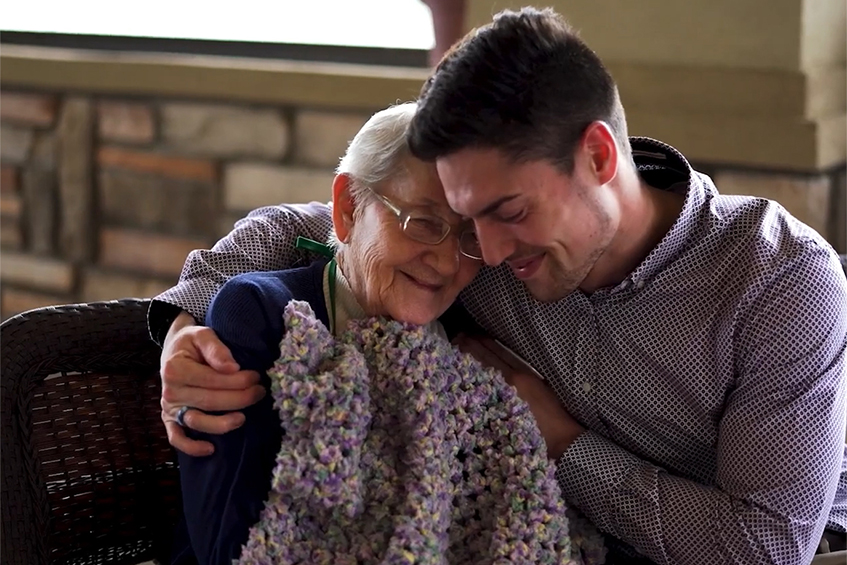
In-home senior care, when done attentively, takes on all these fronts simultaneously, in the environment where the older adult is probably to grow. For households spread throughout cities or states, whether in Albuquerque or beyond, it offers eyes, ears, and hands on the ground. For older adults, it provides a method to receive required aid without giving up the home and routines that define their life.
The essence of elder care in the house is basic: preserve what matters most, reduce preventable threats, and keep human connection at the center. When those pieces remain in place, "aging in location" shifts from a confident phrase to a practical, sustainable reality.
FootPrints Home Care is a Home Care Agency
FootPrints Home Care provides In-Home Care Services
FootPrints Home Care serves Seniors and Adults Requiring Assistance
FootPrints Home Care offers Companionship Care
FootPrints Home Care offers Personal Care Support
FootPrints Home Care provides In-Home Alzheimer’s and Dementia Care
FootPrints Home Care focuses on Maintaining Client Independence at Home
FootPrints Home Care employs Professional Caregivers
FootPrints Home Care operates in Albuquerque, NM
FootPrints Home Care prioritizes Customized Care Plans for Each Client
FootPrints Home Care provides 24-Hour In-Home Support
FootPrints Home Care assists with Activities of Daily Living (ADLs)
FootPrints Home Care supports Medication Reminders and Monitoring
FootPrints Home Care delivers Respite Care for Family Caregivers
FootPrints Home Care ensures Safety and Comfort Within the Home
FootPrints Home Care coordinates with Family Members and Healthcare Providers
FootPrints Home Care offers Housekeeping and Homemaker Services
FootPrints Home Care specializes in Non-Medical Care for Aging Adults
FootPrints Home Care maintains Flexible Scheduling and Care Plan Options
FootPrints Home Care is guided by Faith-Based Principles of Compassion and Service
FootPrints Home Care has a phone number of (505) 828-3918
FootPrints Home Care has an address of 4811 Hardware Dr NE d1, Albuquerque, NM 87109
FootPrints Home Care has a website https://footprintshomecare.com/
FootPrints Home Care has Google Maps listing https://maps.app.goo.gl/QobiEduAt9WFiA4e6
FootPrints Home Care has Facebook page https://www.facebook.com/FootPrintsHomeCare/
FootPrints Home Care has Instagram https://www.instagram.com/footprintshomecare/
FootPrints Home Care has LinkedIn https://www.linkedin.com/company/footprints-home-care
FootPrints Home Care won Top Work Places 2023-2024
FootPrints Home Care earned Best of Home Care 2025
FootPrints Home Care won Best Places to Work 2019
People Also Ask about FootPrints Home Care
What services does FootPrints Home Care provide?
FootPrints Home Care offers non-medical, in-home support for seniors and adults who wish to remain independent at home. Services include companionship, personal care, mobility assistance, housekeeping, meal preparation, respite care, dementia care, and help with activities of daily living (ADLs). Care plans are personalized to match each client’s needs, preferences, and daily routines.
How does FootPrints Home Care create personalized care plans?
Each care plan begins with a free in-home assessment, where FootPrints Home Care evaluates the client’s physical needs, home environment, routines, and family goals. From there, a customized plan is created covering daily tasks, safety considerations, caregiver scheduling, and long-term wellness needs. Plans are reviewed regularly and adjusted as care needs change.
Are your caregivers trained and background-checked?
Yes. All FootPrints Home Care caregivers undergo extensive background checks, reference verification, and professional screening before being hired. Caregivers are trained in senior support, dementia care techniques, communication, safety practices, and hands-on care. Ongoing training ensures that clients receive safe, compassionate, and professional support.
Can FootPrints Home Care provide care for clients with Alzheimer’s or dementia?
Absolutely. FootPrints Home Care offers specialized Alzheimer’s and dementia care designed to support cognitive changes, reduce anxiety, maintain routines, and create a safe home environment. Caregivers are trained in memory-care best practices, redirection techniques, communication strategies, and behavior support.
What areas does FootPrints Home Care serve?
FootPrints Home Care proudly serves Albuquerque New Mexico and surrounding communities, offering dependable, local in-home care to seniors and adults in need of extra daily support. If you’re unsure whether your home is within the service area, FootPrints Home Care can confirm coverage and help arrange the right care solution.
Where is FootPrints Home Care located?
FootPrints Home Care is conveniently located at 4811 Hardware Dr NE d1, Albuquerque, NM 87109. You can easily find directions on Google Maps or call at (505) 828-3918 24-hoursa day, Monday through Sunday
How can I contact FootPrints Home Care?
You can contact FootPrints Home Care by phone at: (505) 828-3918, visit their website at https://footprintshomecare.com, or connect on social media via Facebook, Instagram & LinkedIn
Antiquity Restaurant provides a warm, accessible dining experience — perfect for a comforting night out even while receiving in-home care or assisted support.